Florida is one of the most racially diverse battleground states, and the political geography of the Sunshine State, pockets of blue dotted along a long central strip of red, meaning its 29 electoral votes have been a hard-fought prize.
Immigration has been the leading issue for many Hispanic voters in Florida in 2016, after Donald Trump made “building a wall on the Southern border” a central issue of his campaign. Economics mattered a great deal to Florida voters, many of whom have still been struggling to recover from the financial and housing crisis of eight years ago. And in the aftermath of the shooting in a gay nightclub in Orlando in June that killed 49 people, national security and gun control have also emerged as major issues in Florida this year.
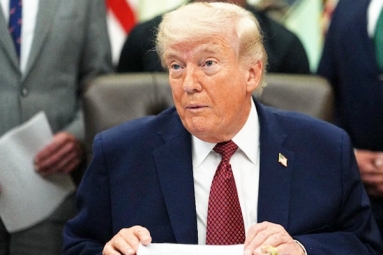
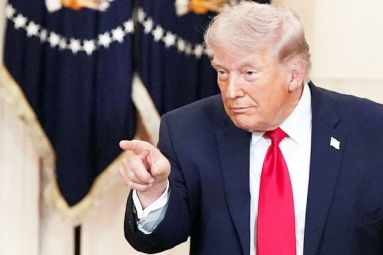
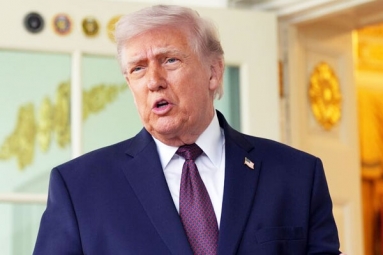
If Donald Trump is to win the White House, his way towards the crown should include Florida. The fight to win the state is personal for Trump, It has been his second home for three decades. On a recent trip there, he told supporters, "I'm here all the time." But the state's massive Hispanic population could spike his chances; only 26 percent of Latinos in Florida are registered as Republicans this year.
Hillary Clinton holds a strong advantage in Florida, specifically among Cuban-Americans and Puerto Ricans. Younger generations of Hispanics are likely to vote Democratic. Yet Clinton has not yet garnered the same coalition of support that won Barack Obama two victories in Florida. And a September poll showed her lagging behind Trump among white Florida voters. In an effort to shore up support, Bill Clinton just started a bus tour through the Republican-leaning central and northern parts of the state.
Also Read: Signs of trouble for trump in deep-red Florida
By Prakriti Neogi